Laptop new win 10 play? Ro Roomybagel
Microsoft Windows system? Tr Traffic
Medion Akoya 7212 from Vista to 10 switch? br britishGael16
I'm totally ignorant and I need your help. I would like to test the LINUX operating system and would like to install it on my laptop. However, LINUX should run "alongside" WIN 10. There are tons of possibilities that Dr. GOOGLE offers, but these are not understandable to me. Does Dr. GOOGLE also a description for "DUMMIES"?
If you just want to test it, burn it to CD / DVD and start it normally. The distribution from the data carrier should then run as a test.
But if you want to install it, then I think you have to install Linux first, then Win10.
But it's been a long time since I did that.
You can easily download a VM and test Linux in the VM. That means you boot up normally in Windows, open the VM and then you boot Linux IN Windows
Or you can make a boot stick and test Linux from the stick, you don't have to install anything, or you partition your hard drive and you can choose between Windows and Linux in the boot menu.
To do this, insert the boot stick again and select the option Install Linux next to Windows
You don't have to install Linux first, the order doesn't matter
Is that so now?
A few years ago you had to (should) install Windows then Linux.
If you installed Windows as the second, it overwritten Linux.
If you have no experience, I would advise against a Linux installation with dual boot. Because a lot go wrong.
There's one safe option - Linux in a virtual machine. You have a perfect Linux machine.
Thanks for the information.
Download VMware and install a virtual machine.
You can then call them up in Windows. That's enough for testing.
If you want to play with it or something you should be aware that this can often be a bit more problematic. But now they work better than they used to, just not always as directly and simply as under Windows
You can partition the plates right from the start. It then does not overwrite the Linux but the bootloader but you can fix that again.
Summasumarum forget what I said for a beginner the order is important. What I said could already be too much of a good thing for someone who has a first contact.
I first installed Windows then Linux. Works tested found good
I first installed Windows then Linux.
That's how I learned it too.
As a beginner it is difficult for me, as an old "Linuxian" (a good 20 years old), I sometimes have to be careful with my multiboot that I don't shoot anything.
https://www.directupload.net/file/d/5966/2o5dtedu_png.htm
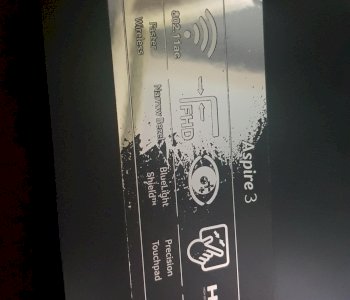
There's no information about the existing hardware.
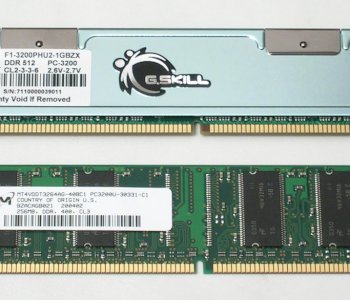
Of course you can run Linux in a virtual machine. But that only makes with min. 4GB of ram fun. More like 8GB. Better 16GB.
Just try a Linux live version of your choice. If it is running, that does not mean that the system is permanently installed on your computer.
And then we're back to the poor information regarding the hardware.
And no, Linux does not save any resources. On the contrary. Everything that is there grabs.
That's why I built in the stuff.